By Alyssa Perri
October 5, 2026
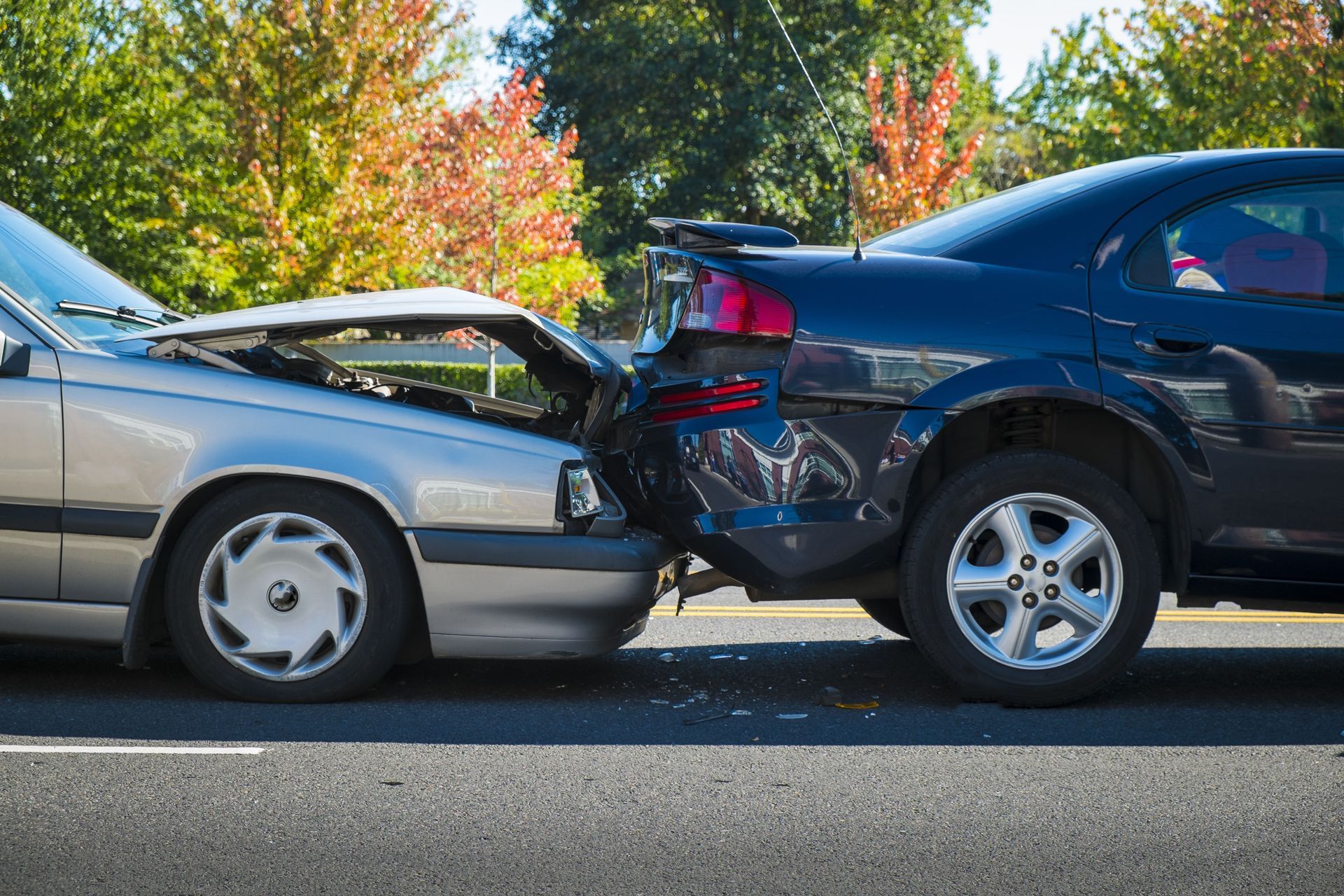
A vehicle's paint color plays an important role in its overall appearance, and even a small mismatch can stand out after collision damage has been repaired. Scratches, dents, and damaged body panels often require refinishing to restore the vehicle's exterior. However, matching the original paint involves more than selecting a color that looks similar under ordinary lighting. Professional technicians must account for factory paint codes, fading, finish characteristics, and application techniques to achieve a consistent appearance. Auto body shops use specialized tools and established processes to identify the correct color and apply it to repaired surfaces. Understanding how paint matching works can help vehicle owners know what to expect during collision repairs. It also explains why careful preparation, accurate color identification, and proper finishing techniques matter when restoring a vehicle's appearance.
Evaluating Paint Condition and Color Changes
Even when two vehicles share the same make, model, year, and factory paint code, their finishes may look slightly different. Ultraviolet radiation can gradually fade certain pigments, while oxidation and environmental exposure can affect how the clear coat reflects light. Previous repairs may also introduce variations if replacement panels were refinished with a slightly different formula. Technicians therefore examine the surrounding paint before deciding how to match the damaged area. They may compare adjacent panels, inspect the finish from different angles, and evaluate how the color appears in natural and artificial lighting. These observations help reveal whether the existing paint has faded, become discolored, or developed differences in gloss. Professional auto body shops use this assessment to determine whether the factory formula needs adjustment before application. Considering the vehicle's current condition rather than relying solely on its original specifications helps reduce visible differences between repaired and undamaged surfaces.
Using Digital Tools for Accurate Color Identification
Modern paint-matching equipment can help technicians identify colors more precisely than visual comparison alone. Spectrophotometers are specialized devices that measure how a surface reflects light at different wavelengths. The resulting measurements can be compared with color databases to identify potential paint formulas. Some systems also account for variations in metallic or pearlescent finishes, which can appear different depending on viewing angle and lighting conditions. These tools provide useful information, but the measurements still require professional interpretation. Surface condition, instrument placement, and the characteristics of the existing finish can influence the results. Technicians may take readings from several areas to obtain a clearer understanding of the vehicle's color. They can then compare suggested formulas and determine which option is most appropriate for the repair. Combining digital measurements with practical experience helps improve color selection and supports a more consistent refinishing result.
Mixing Paint to Match Existing Colors
Once technicians identify a suitable formula, they prepare the paint by combining the necessary pigments and other components in carefully measured quantities. Modern automotive paint systems provide formulas that specify the proportions needed to reproduce particular colors. Even small adjustments can affect the final shade, so accurate measurements are essential. When the standard formula does not match the vehicle's current finish closely enough, technicians may test alternative variants or make controlled adjustments. Metallic paints require particular attention because the size and distribution of reflective particles influence their appearance. Pearlescent finishes present additional challenges because they can display different tones depending on how light strikes the surface. The majority of auto body shops offer custom color matching to help address these variations during vehicle refinishing. Careful mixing and evaluation allow technicians to select a formula that works with the existing finish rather than simply applying a color based on its name or code.
Preparing Damaged Surfaces Before Painting
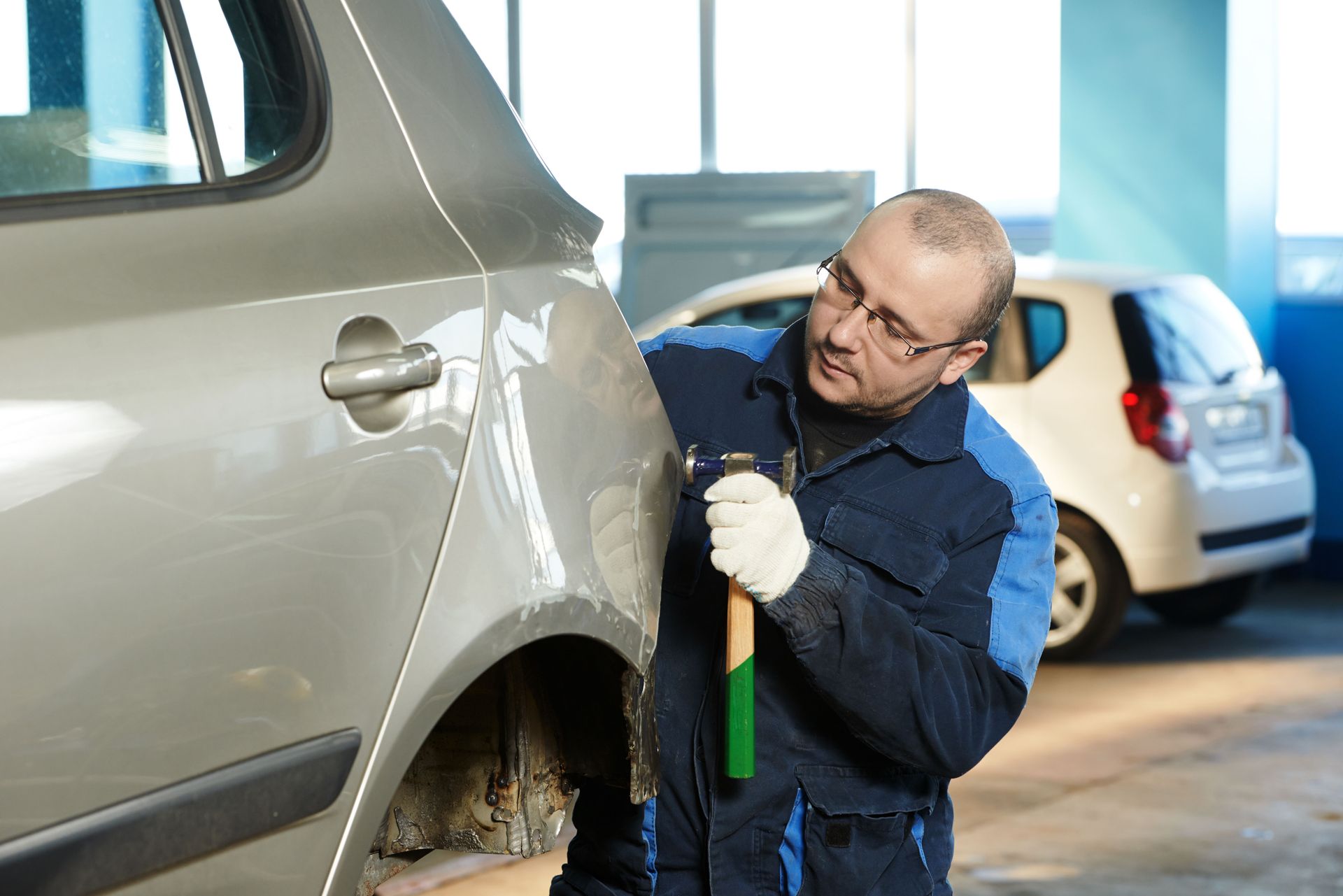
Accurate color selection cannot compensate for poor surface preparation. Before applying new paint, technicians must ensure that the repaired panel is clean, smooth, and properly prepared for refinishing. This process may involve removing damaged paint, sanding imperfections, applying suitable primers, and correcting surface irregularities. Any remaining grease, dust, or contaminants can interfere with paint adhesion and affect the final appearance. Areas that have experienced corrosion may also require rust repair and appropriate protective treatment before refinishing begins. The type of preparation needed depends on the extent of the damage and the materials involved. Professional auto body shops follow appropriate preparation procedures to help create a consistent foundation for the new finish. Taking time to prepare the surface properly helps reduce visible imperfections and supports the durability of the completed repair.
Applying Paint With Consistent Techniques
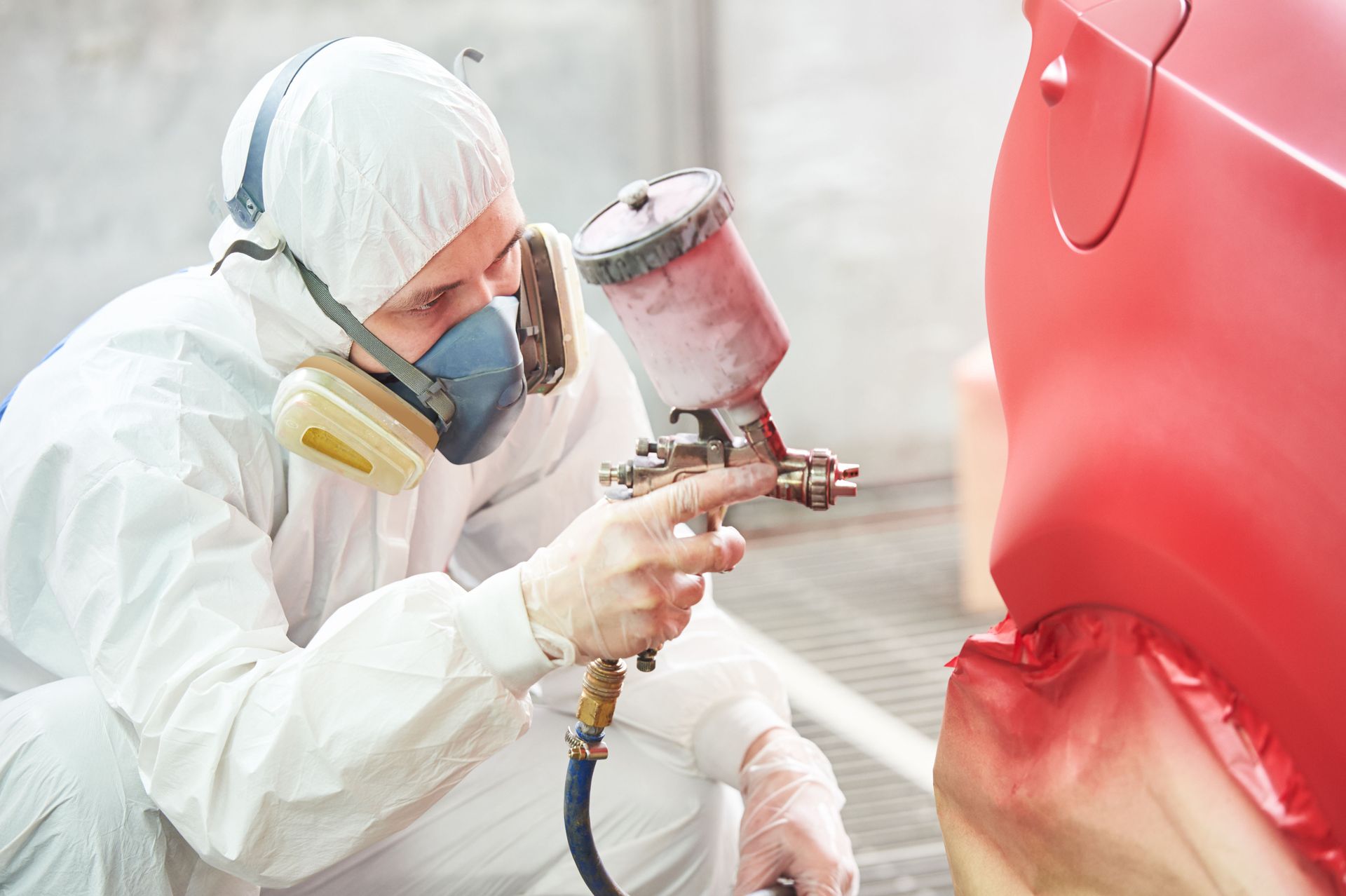
The way automotive paint is applied can influence whether a color appears consistent across a repaired panel. Technicians must control factors such as spray distance, application speed, paint coverage, and the overlap between passes. Metallic and pearlescent paints are especially sensitive to application differences because their reflective particles can settle or orient differently. Uneven coverage may create patches, stripes, or changes in brightness that become noticeable under certain lighting conditions. Temperature, humidity, airflow, and the product manufacturer's instructions can also affect the application process. Professional painters account for these variables when determining how to apply the selected formula. A lot of auto body shops provide full body repaints and spot repairs for different refinishing needs, with the appropriate approach depending on the vehicle's condition and the area being addressed. Consistent application techniques help create a uniform finish and reduce the likelihood of noticeable transitions between old and new paint.
Blending Paint Across Adjacent Panels
Sometimes, matching a repaired panel perfectly to surrounding paint is difficult even when the selected formula is accurate. Differences in fading, lighting, and metallic particle orientation can cause the new paint to appear slightly different when viewed beside the original finish. Blending addresses this challenge by gradually transitioning the new color into the existing paint on an adjacent area when the repair and paint system allows it. Rather than creating a sharp boundary, the technician distributes the color transition to make the difference less noticeable. The exact blending method depends on the paint type, the location of the damage, and the repair requirements. Clear coat application is also important because the final gloss and surface appearance influence how well the refinished area matches its surroundings. Specialty finishes may require additional care to preserve their distinctive appearance. Proper blending can help the repaired area look more natural when viewed from different angles and under changing light conditions.
Inspecting the Finished Paint for Quality
The final inspection allows technicians to evaluate the completed finish and identify any imperfections that need attention. They may examine the repaired area under different lighting conditions to check color consistency, gloss, coverage, and surface texture. Looking at the vehicle from several angles can reveal differences that are difficult to see under a single light source. Technicians also check for issues such as uneven coverage, visible paint edges, dust inclusions, or other surface defects. If necessary, polishing or additional refinishing work may be required to improve the result. Repair costs and material availability can also influence project planning, making clear communication important throughout the process. According to a 2026 survey of repair shop challenges by IMR, 46% of respondents identified finding affordable parts and managing rising prices as their most frequently cited challenge. Although paint matching involves different technical considerations, planning for materials and repair requirements remains part of managing collision work. A careful final inspection helps confirm that the refinished area meets the intended appearance and quality standards.
Professional paint matching combines accurate color identification, careful preparation, controlled application, and detailed inspection. Each stage contributes to how naturally a repaired area blends with the vehicle's original exterior. T&T Collision Centers offers services including custom color matching, full body repaints, spot repairs, specialty finishes, clear coat application, and rust repair and prevention. These options can address a range of cosmetic concerns, from localized paint damage to more extensive refinishing needs. Choosing the appropriate service depends on the vehicle's condition, the extent of the damage, and the desired finish. Contact us to discuss your vehicle's paint concerns and learn which refinishing options may help restore its appearance.