By Alyssa Perri
April 1, 2026
Auto body shops are essential for maintaining and restoring the aesthetic and structural integrity of vehicles. Whether your car has minor scratches, major collision damage, or simply needs a fresh coat of paint, professional auto body shops have the skills and equipment to bring your car back to showroom condition. This article explores the comprehensive process these shops use to achieve such transformations. Understanding this process helps appreciate the artistry and technical expertise involved in vehicle restoration.
1. Initial Assessment and Cost Estimation
a. Visual Inspection and Damage Analysis
The process begins with a thorough visual inspection, where technicians assess the extent of visible damage. During this step, attention is paid to surface damages like dents, scratches, and alignment issues. By carefully examining the vehicle from bumper to bumper, they gain an understanding of both obvious and subtle damage areas. A comprehensive understanding of damage is crucial for planning the necessary repairs and restoring the vehicle effectively.
b. Diagnostic Scans and Structural Assessments
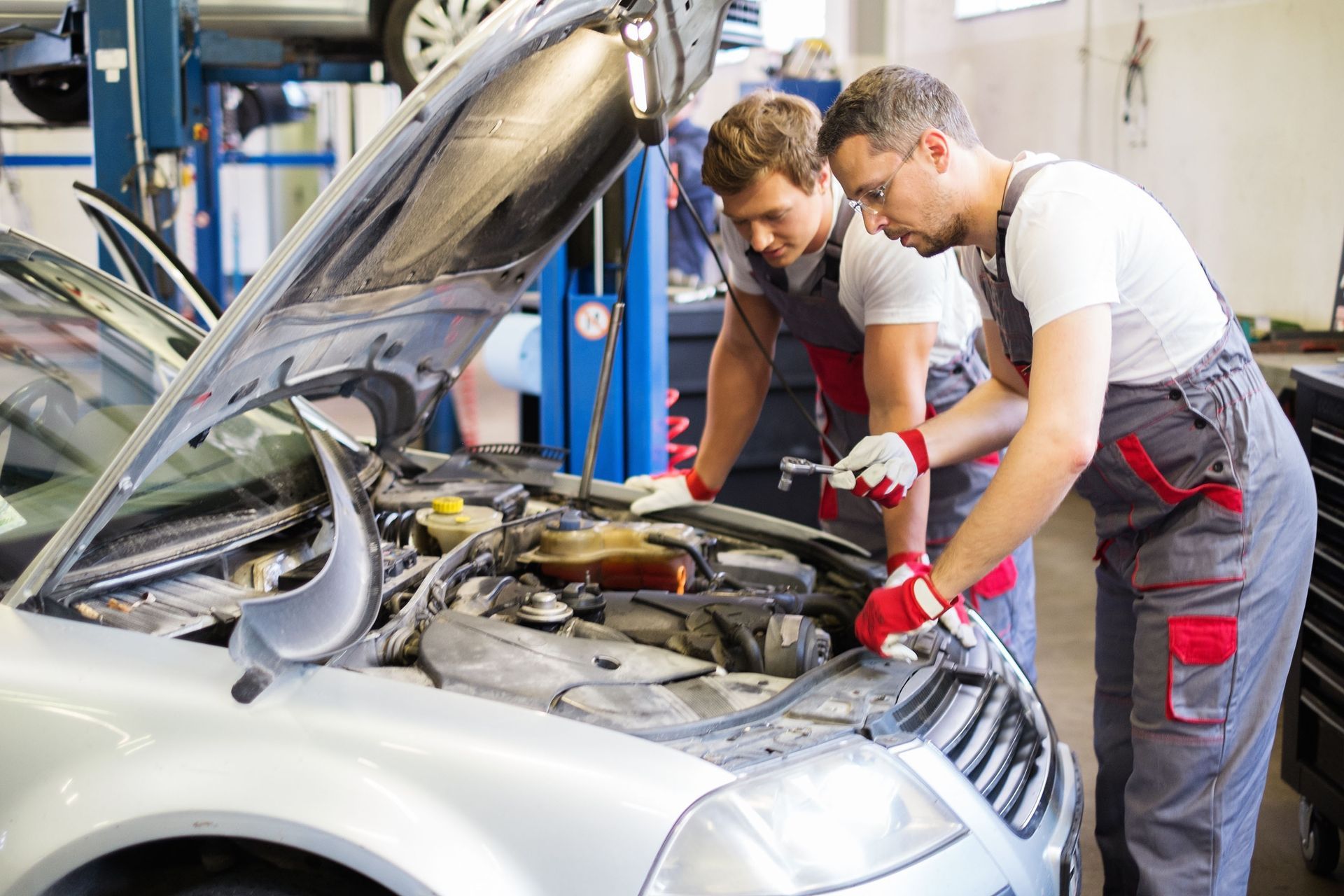
Following the initial inspection, auto body shops use advanced diagnostic tools to scan the vehicle's electronic systems. These scans help reveal hidden damage, especially that affecting structural components and safety systems. Comprehensive diagnostic evaluations ensure that no critical component goes unchecked, thereby guaranteeing a thorough restoration process. The data gathered from the diagnostics play a crucial role in developing a detailed repair plan.
c. Customer Consultation and Needs Assessment
At this stage, customer consultation becomes a priority, as it helps align the repair goals with the customer's expectations. Technicians discuss the findings from the inspection and diagnostics with the vehicle owner, ensuring transparency and understanding. Creating a collaborative relationship with customers is essential for developing tailored solutions that meet individual needs and expectations. This collaborative approach ensures that both parties have a clear understanding of the work to be undertaken.
2. Preparation and Disassembly
a. Safe Removal of Damaged Parts
Once the repair plan is established, the next step involves the careful removal of damaged components. Technicians use specialized tools to safely disassemble parts that need repair or replacement, ensuring no further damage is caused. The safe removal of parts allows for a clear workspace, facilitating more effective repairs and replacements. Disassembly is conducted systematically to maintain organization and prevent confusion during reassembly.
b. Cleaning and Surface Preparation
With the damaged parts removed, technicians clean the components and surfaces to be repaired. Surface preparation is essential for effective adhesion of repair materials and coatings, and it involves cleaning, degreasing, and sanding. Proper preparation ensures that new paints and fillers bond well with the vehicle, enhancing durability and finish quality. Meticulous surface preparation lays the foundation for high-quality repairs and refinishing.
c. Masking and Protection Procedures
To protect unaffected areas, vehicles are masked using tape, plastic covers, and protective materials. Proper masking protects the vehicle's interior, windows, trim, and other sensitive areas from unwanted damage or coating. The effectiveness of the masking process is critical for achieving a clean and polished final result without overspray or residue on untouched sections. Ultimately, protection procedures contribute to the overall quality and aesthetics of the restoration work.
3. Body Repair and Replacement
a. Dent Repair Techniques and Tools
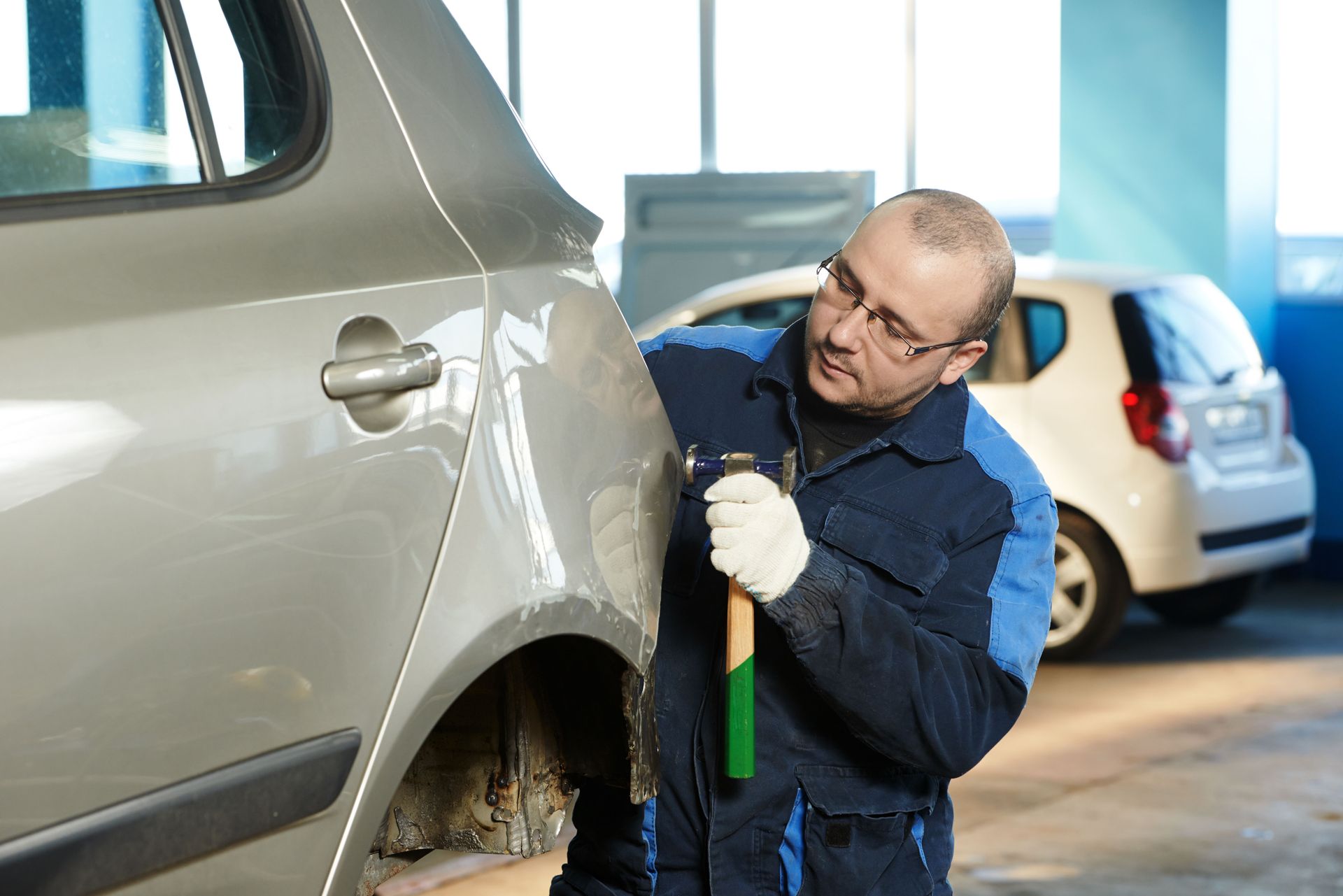
One of the core tasks for auto body shops' repair involves removing dents and restoring panels to their original contour. Various techniques like paintless dent repair (PDR) and traditional methods are employed, depending on the severity and location of the dents. Skilled technicians can often repair dents without needing to repaint, preserving the original finish and reducing costs. Effective dent repair enhances both the function and aesthetics of the vehicle.
b. Panel Replacement and Realignment
When damage is too extensive for simple repairs, panel replacement becomes necessary. Technicians ensure that new panels are aligned perfectly to the vehicle's existing structure, maintaining aesthetic and aerodynamic integrity. Realignment involves precision measurements and adjustments using specialized equipment to achieve the factory specifications. The meticulous replacement and realignment of panels play a significant role in restoring a vehicle's structural and visual appeal.
c. Welding and Metalwork Precision
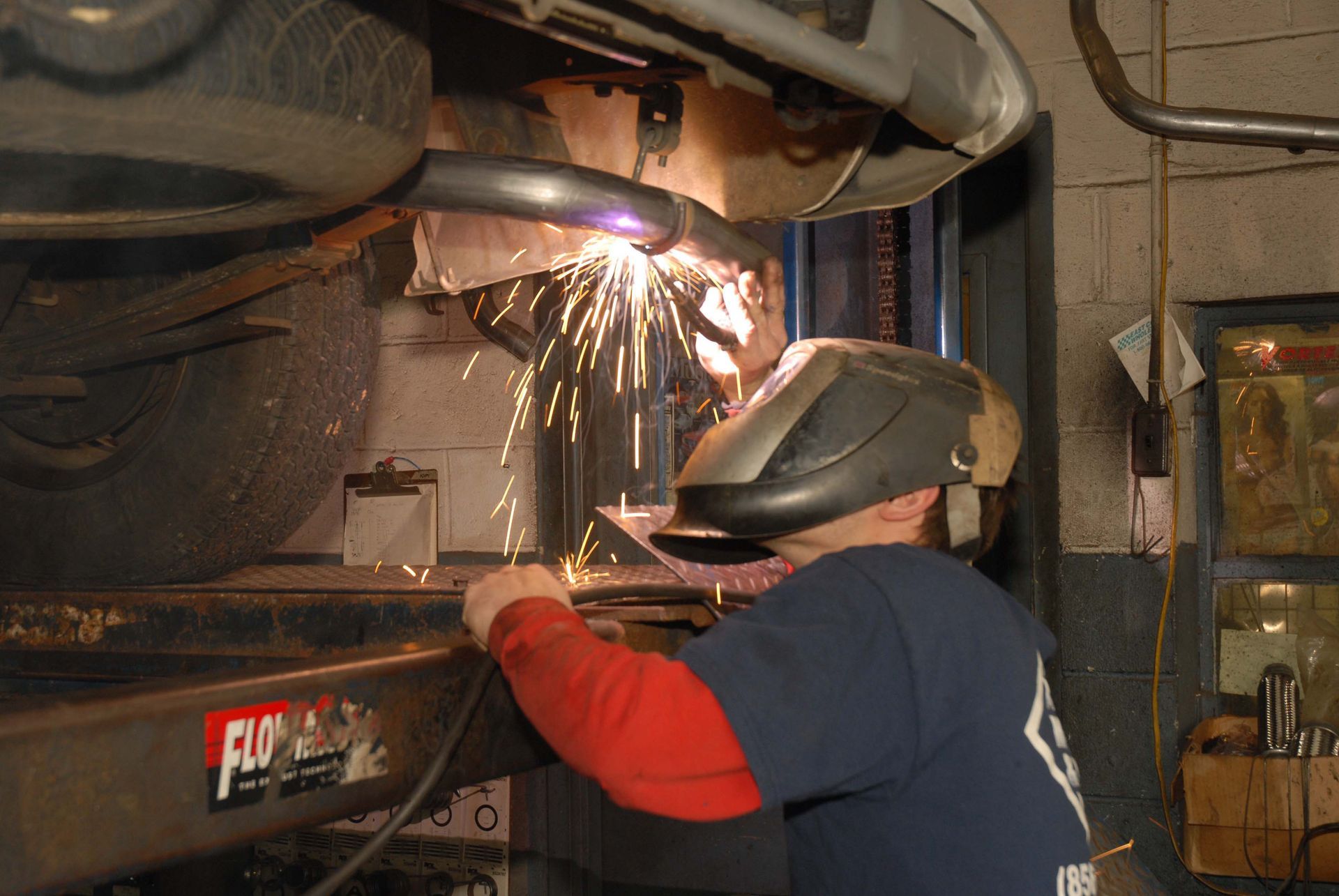
For repairs involving structural components, welding is often required to ensure stability and safety. Technicians employ precise welding techniques to securely join metal parts, maintaining the vehicle's structural integrity. Quality welding is vital for ensuring that repaired structures can withstand stress and impact, as poor welds could lead to safety risks. Precision in metalwork and welding directly impacts the overall success of the repair job.
4. Painting and Refinishing
a. Color Matching and Paint Mixing
A crucial step in the restoration process is ensuring that new paint matches the vehicle's existing color exactly. Advanced color-matching technology, along with expert knowledge, is employed to create seamless transitions between old and new paint. Achieving a flawless color match is essential for the uniform appearance and resale value of the vehicle. Accurate paint mixing and matching ensure that the refinished vehicle looks cohesive and like new.
b. Application of Primer and Base Coats
Before applying the topcoat, layers of primer are used to create a stable base for the paint. After priming, base coats are applied, forming the foundation for the vehicle's color scheme. The quality of the primer and base coats directly affects the durability and appearance of the final finish, making this step crucial. Proper coating applications help in achieving a deep and lasting finish, which is essential for aesthetic appeal.
c. Precision Spray Painting Techniques
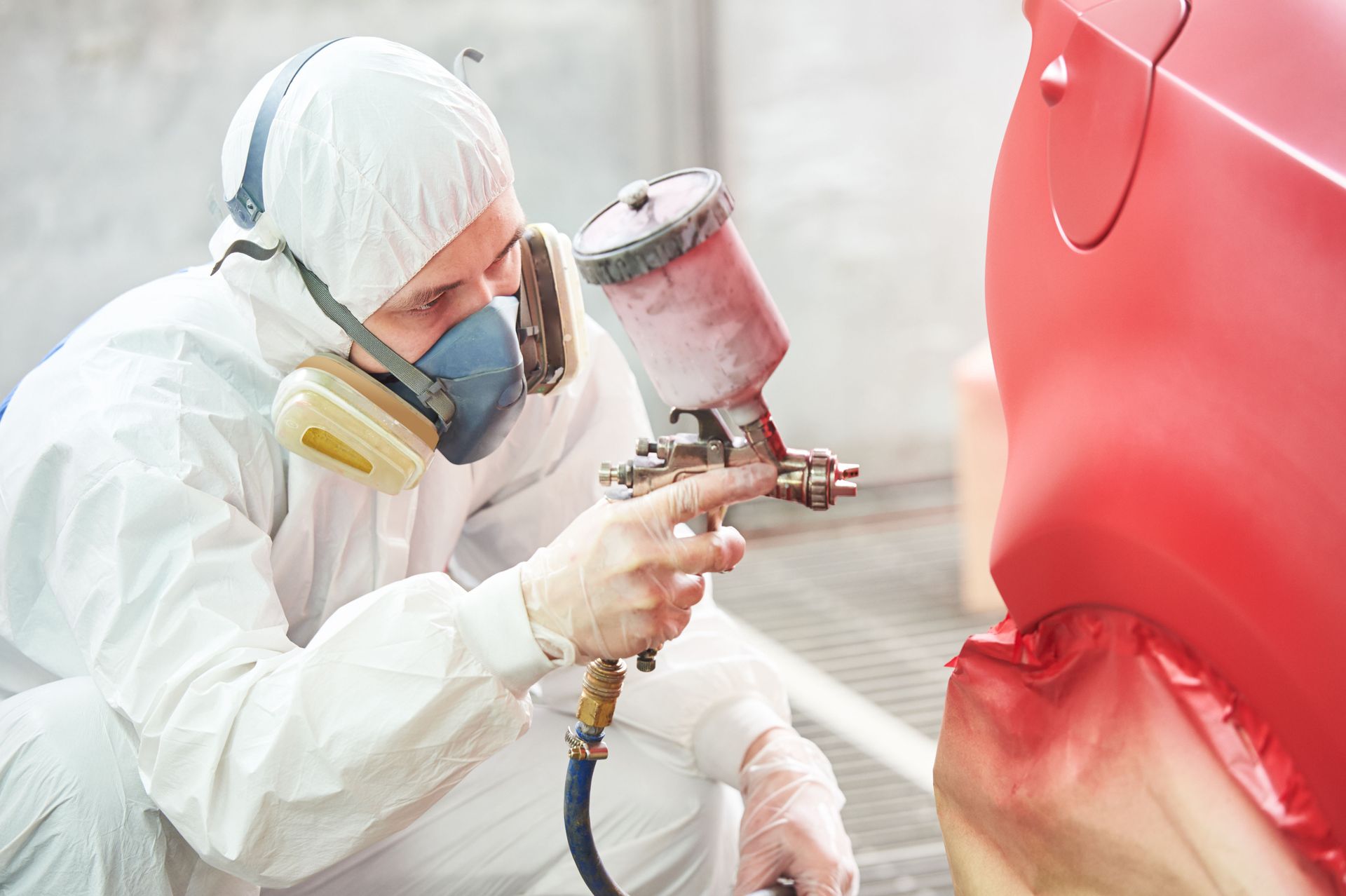
Spray painting is an art form that demands control and precision to produce a smooth, even finish. Technicians use spray guns to carefully apply paint, ensuring even coverage without runs or imperfections. The technique requires skill to maintain the correct distance, speed, and angle for uniformly distributing paint on the vehicle's surface. Proper execution during painting is critical for attaining a perfect and high-gloss finish.
5. Reassembly and Final Adjustments
a. Careful Installation of Panels and Trims
After painting and curing, the vehicle is reassembled with close attention to detail in the installation of panels, trims, and components. Ensuring that all parts fit correctly and align seamlessly with the vehicle's body is paramount. The accuracy in placing panels and trims contributes significantly to the vehicle's structural integrity and visual appeal. Successful reassembly is critical for restoring the vehicle to its original condition.
b. Reconnecting Electrical and Mechanical Systems
A vital part of reassembly involves reconnecting the vehicle's electrical and mechanical systems, ensuring full functionality. This meticulous process is essential for preventing future mechanical issues and maintaining the vehicle's safety systems. The connection of critical systems is verified through diagnostic tools to ensure proper operation post-reassembly. Thorough testing guarantees the reliability and performance of the vehicle once it's back on the road.
c. Alignment of Doors, Windows, and Frames
Precise alignment is necessary for doors, windows, and frames to ensure the vehicle operates correctly and looks pristine. Technicians use specialized equipment to adjust these components, achieving the perfect balance and fit. By maintaining tight seams and appropriate gaps, the structural soundness and appearance of the vehicle are preserved. Successful alignment checks help seal the vehicle's body, providing functionality and keeping the elements out.
Auto body shops are true craftsmen in the automotive industry, combining technical skill with artistic precision to rehabilitate vehicles to their former glory. The comprehensive process from assessment to final inspection ensures that no detail is overlooked, providing vehicle owners with peace of mind as their cars are restored to a like-new condition. According to Curbee, the U.S. currently has 16 independent auto repair shops for every franchised dealership, highlighting the demand for expert services in vehicle repair and maintenance. Through this meticulous process, auto body shops extend the lifespan of vehicles, enhancing both their value and safety on the road. It’s a testament to the dedication and expertise of the technicians who work tirelessly to deliver top-notch restoration services.
T&T Collision Centers restores your vehicle to like-new condition with expert care and precision. Contact us today!